
From the Frontline
Music on the Ribs: The Bootleg Bone Records of the Soviet Union
Published September 15, 2026 · by Anton Ignatov
The song behind the story
Forbidden Music
Forbidden Music
Imagine craving a song so badly you would risk prison just to hear it.
In the post-WWII Soviet Union, Western jazz, rock and roll, and boogie-woogie were strictly banned as capitalist propaganda. But the underground youth culture, known as the stilyagi (style hunters), refused to be silenced. They needed a way to distribute this forbidden music, and they found the solution in the trash cans of local hospitals.
The Ultimate Underground Medium
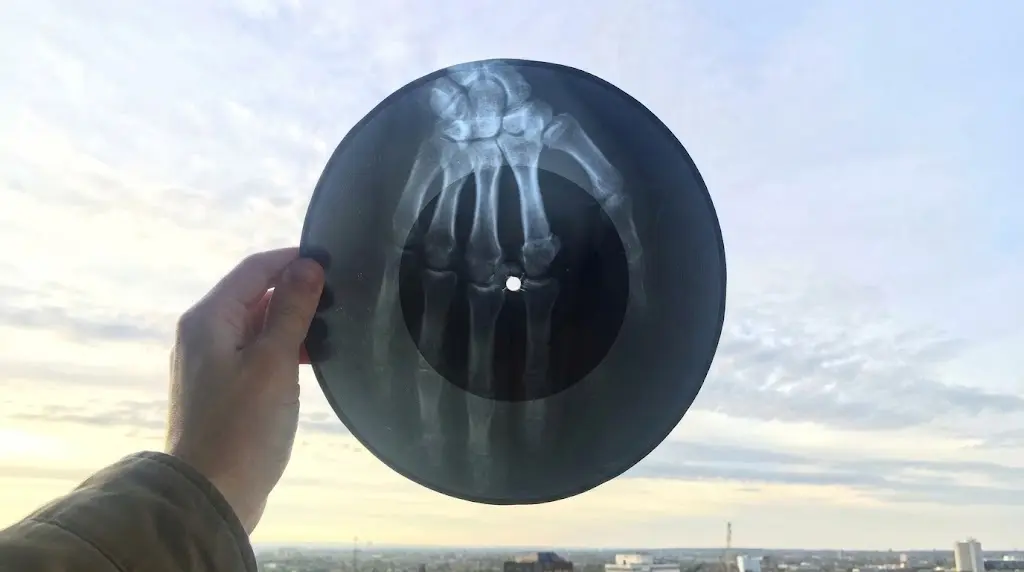
Vinyl was scarce and heavily controlled by the state. To press illegal bootlegs, black marketeers known as roentgenizdat (X-ray pressers) turned to discarded medical X-ray films.
The Canvas: Hospitals were required to dispose of highly flammable X-ray sheets after a year. Bootleggers bought or scavenged these by the thousands.
The Process: They cut the sheets into crude circles using scissors and burned a spindle hole in the center with a lit cigarette.
The Pressing: Using modified recording lathes, often built from scavenged gramophone parts or brought back as war trophies, they cut the grooves directly into the soft emulsion of the X-ray film.
A Haunting Aesthetic
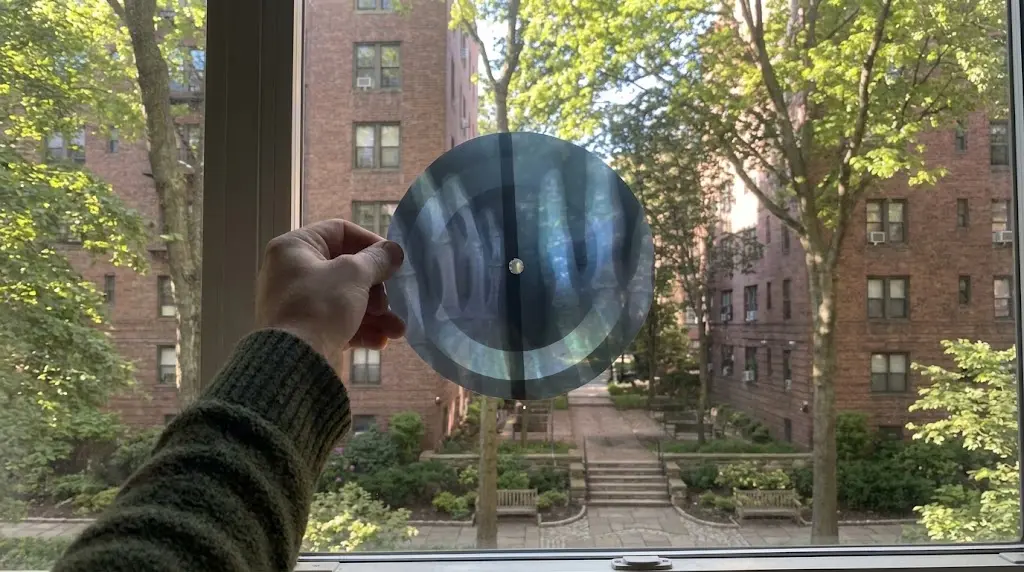
When you held a bone record up to the light, you weren't just looking at a bootleg. You were looking at the literal insides of a Soviet citizen.
The grooves of Little Richard, Ella Fitzgerald, or early rock and roll played over ghostly images of ribcages, fractured skulls, and broken pelvises. They were fragile, usually only playable on one side, and degraded after just a few dozen spins. The audio quality was terrible, filled with static and hiss, but to the teenagers huddled around a smuggled gramophone, it sounded like freedom.
The End of the X-Ray Era
By 1958, the Soviet government caught on, passing laws that criminalized the home recording of "ideologically harmful" material. They launched crackdowns, formed "music patrols," and arrested the bootleggers. However, the era of bone records truly faded in the 1960s due to the invention of the reel-to-reel tape recorder, which finally made copying music cheap and easy.
Today, these macabre X-ray discs stand as a testament to the lengths people will go for art. They prove that you can ban a sound, but you can never truly silence it.
Anton Ignatov
Forbidden Music
Listen on your platform


