
From the Frontline
Steel, Speed, and Siberia: Inside "Zero Kilometer"
Published September 30, 2026 · by Anton Ignatov
The song behind the story
Zero Kilometer
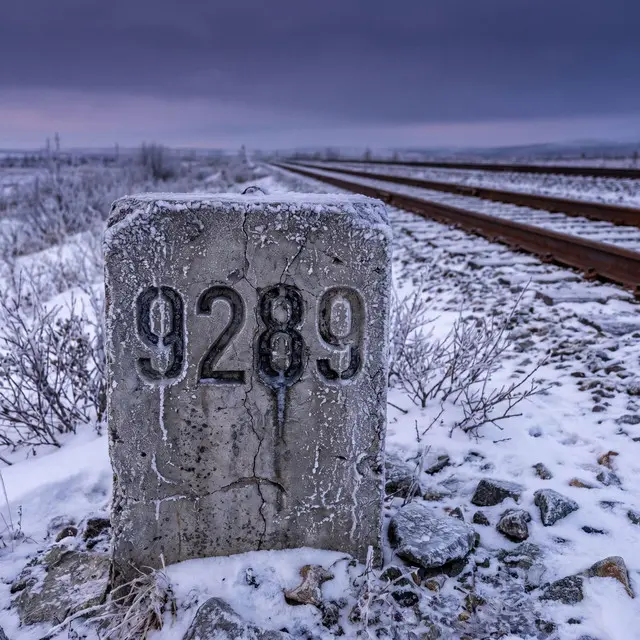
9289
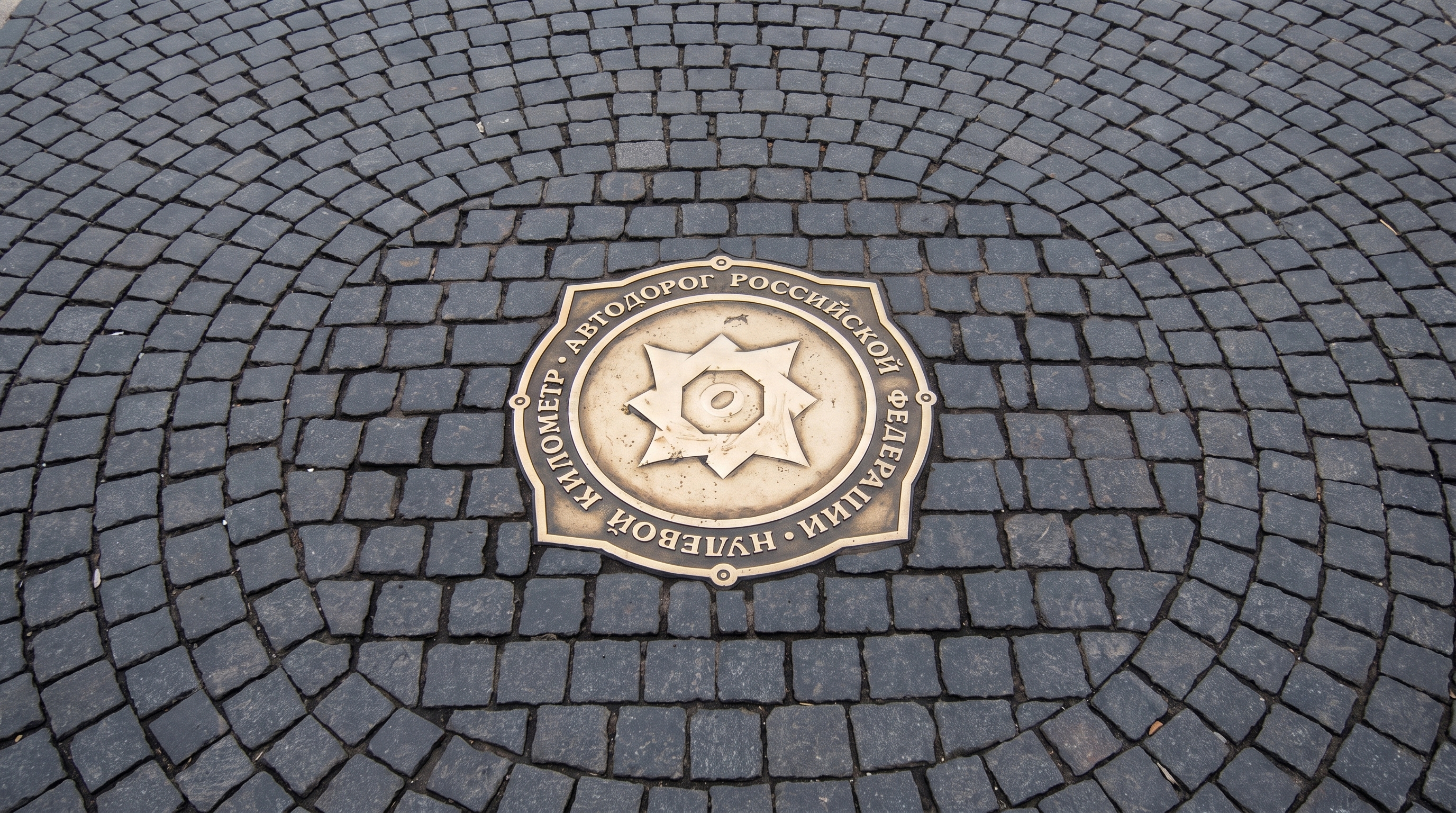
There is something inherently metal about a stretch of iron 9,000 kilometres long, cutting straight through the frozen, unforgiving heart of Siberia. It is a monument to endurance, isolation, and raw mechanical power. That is exactly the energy captured in "Zero Kilometer", the blistering thrash-metal opener of the album 9289 — a track named after the precise starting point of the Trans-Siberian Railway: the bronze zero-kilometre marker at Moscow's Yaroslavsky Station.
Thrash metal has always thrived on velocity and unstoppable force, but "Zero Kilometer" strips away the genre's usual apocalyptic tropes to focus on something far more real: the psychological and physical weight of the world's longest railway journey. Nine time zones. One ticket. No turning back.
The Sound of the Iron Leviathan
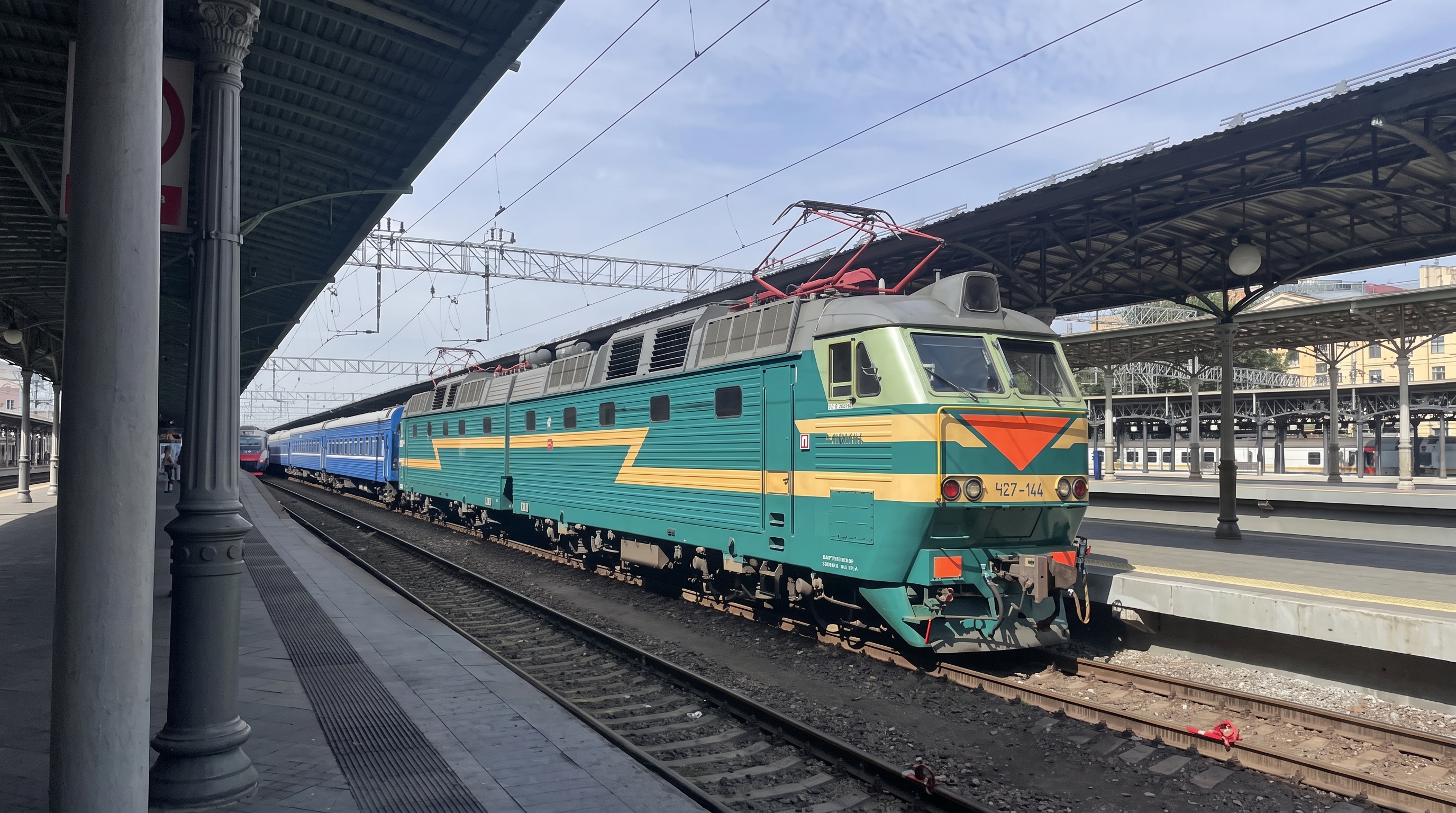
From the very first second, the track doesn't merely start — it departs. The opening is a masterclass in coiled tension, building on a slow, grinding bassline that groans like heavy iron wheels turning on frozen rails, steam released as a whisper — a cold winter sigh under the gaze of a Moscow sky. You can almost feel the platform shudder as the locomotive lurches into motion. Then, the moment the station is cleared, the song detonates.
The rhythm section forms the track's unbreakable backbone. Relentless, galloping double-kick drums emulate the punishing click-clack of a locomotive at full speed, while the guitars answer with vicious, staccato down-picking — chugging riffs that surge forward like a massive diesel engine tearing through the taiga, diesel running through the music's very blood. It is fast, it is abrasive, and it absolutely refuses to touch the brakes.
Lyrical Frostbite
Lyrically, "Zero Kilometer" opens at the point of no return. The first verse watches dawn break over Moscow — the Seven Sisters standing silent above the city — as the train chases horizons on a silver thread, leaving behind the city and the dreams it fed. From there the song plunges headlong into an endless expanse of ice and isolation. Harsh, rasped vocals carry lines about the biting Siberian wind, the claustrophobia of the carriage, and the slow blurring of days as the sun rises and sets over an unchanging, snow-blind landscape.
The chorus hits like the song's own whistle blast — a massive, headbanging hook that howls about the inevitable pull of the East. Steel on steel, the hammer falls. It drags the listener ever deeper into the void of the steppes, capturing that strange, claustrophobic-yet-expansive sensation of being trapped on a speeding bullet in the middle of nowhere, a thousand kilometres from anything familiar.
"Eastward bound on a track of fire
Moscow fades like a funeral pyre
Steel on steel, the hammer falls
The Great Siberian Spirit calls!
Click-clack, lightning track
No more turning, no more back
Faster! Faster! Through the mud
Diesel running through our blood!"
The Destination
By the time the song reaches its frantic, shred-heavy guitar solo — a chaotic flurry of notes that plays like a total derailment of the senses — the train has broken through the Ural gates, and Moscow is gone. You feel exactly what the song intends you to feel: exhausted, exhilarated, and completely run over. And then, just as suddenly, it is done. The rails fall silent, and you are left standing in the cold, staring down a line that never truly ends.
In the end, "Zero Kilometer" is a reminder that metal doesn't need an apocalypse to sound dangerous. Sometimes the most terrifying thing on Earth is a straight line that refuses to bend — and a song heavy enough to ride it.
— Anton Ignatov
9289
Listen on your platform


