
From the Frontline
The River That Swallowed the Forgotten: The True Story Behind "Nazino"
Published September 7, 2026 · by Anton Ignatov
The song behind the story
Nazino
Forbidden Music
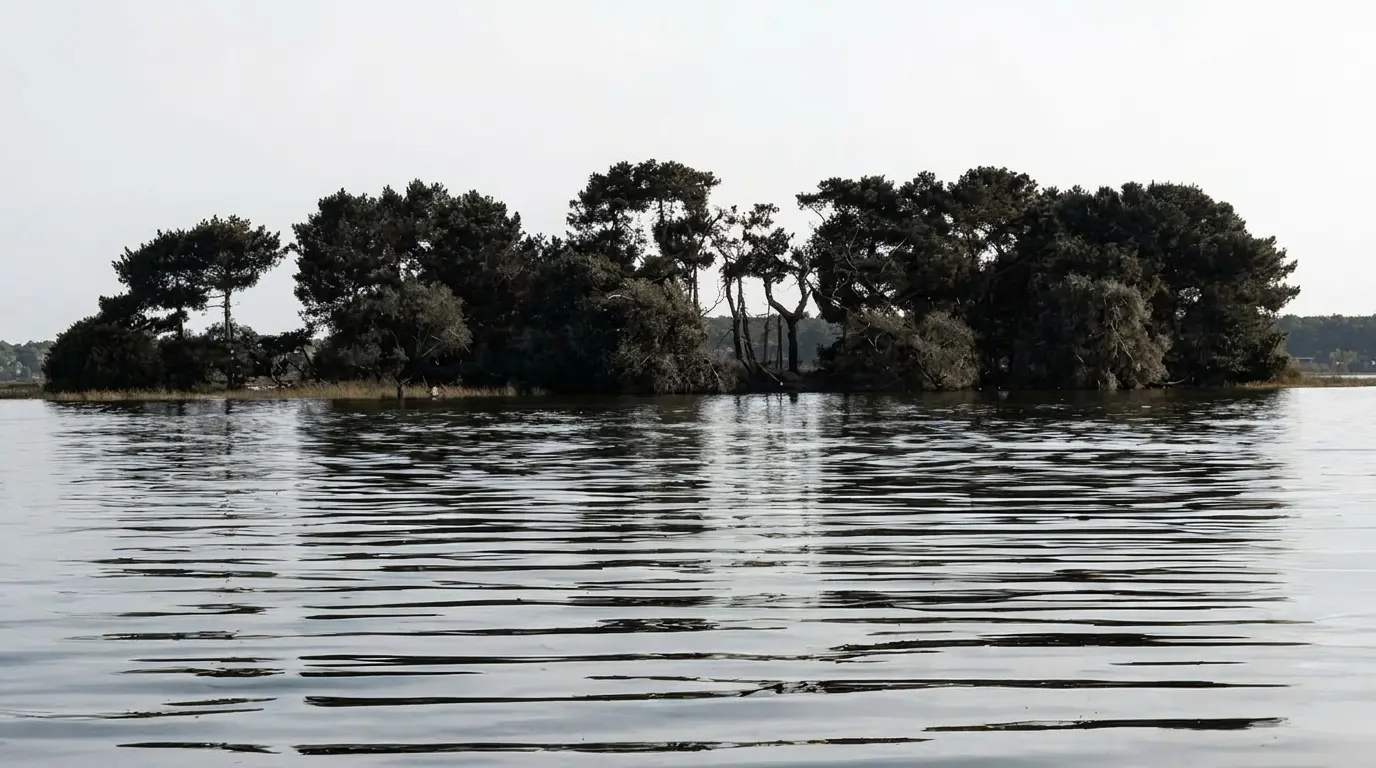
There are certain corners of history that are so dark, you almost wish you hadn't looked into them. A few months ago, I went down a late-night reading rabbit hole that left me staring blankly at my wall for hours. It wasn't just the sheer scale of the tragedy that got to me, but the terrifyingly casual cruelty of it all.
It's the story of Nazino Island. And the more I read, the more I realized I had to write a song about it. But before I talk about our new track, you need to understand the nightmare that inspired it.
The Sweeps of 1933
To understand how this happened, you have to look at the Soviet Union in the spring of 1933. The government wanted to "cleanse" Moscow and Leningrad of anyone they deemed undesirable. They introduced a rigid internal passport system. If you didn't have your papers on you, you were arrested on the spot.
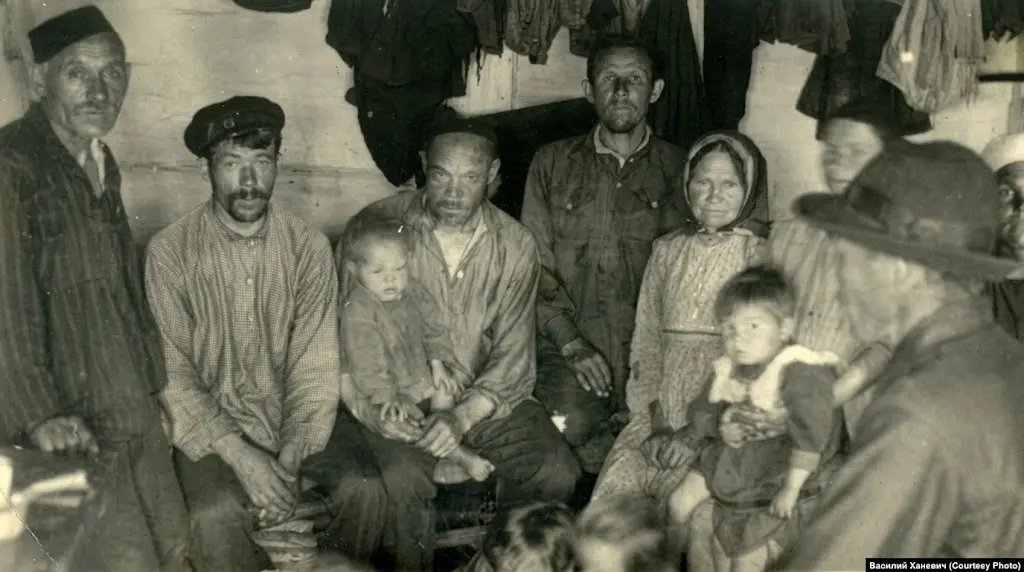
We aren't just talking about political dissidents here. The police swept up everyone. Imagine walking out of your apartment to buy a loaf of bread, forgetting your passport on the kitchen table, and simply never returning home. They took blind men, students, pregnant women, and old men who had lived in the city their entire lives. They were herded onto trains and sent thousands of miles east into the unforgiving Siberian wilderness.
Dropped on the Sandbar
In May of 1933, about 6,200 of these deportees were crammed onto barges on the Ob River. By the time they reached their destination, a desolate, swampy strip of land called Nazino Island, dozens were already dead from the cramped, filthy conditions.
When they were finally offloaded, the reality of their situation set in. The island was roughly two miles long and entirely barren. There were no buildings. No tools to build shelter. No medical supplies. The Siberian wind was brutal, and snow still fell heavily despite it being May.
Then came the food. The authorities didn't provide bread or meat. Instead, they dumped sacks of raw flour onto the muddy banks. Starving people rushed the sacks, resulting in stampedes. To eat it, the deportees had no choice but to scoop water directly from the freezing, dirty river, mixing it with the raw flour in their hats or jackets to make a vile paste. Dysentery spread like wildfire.
The Descent into Madness
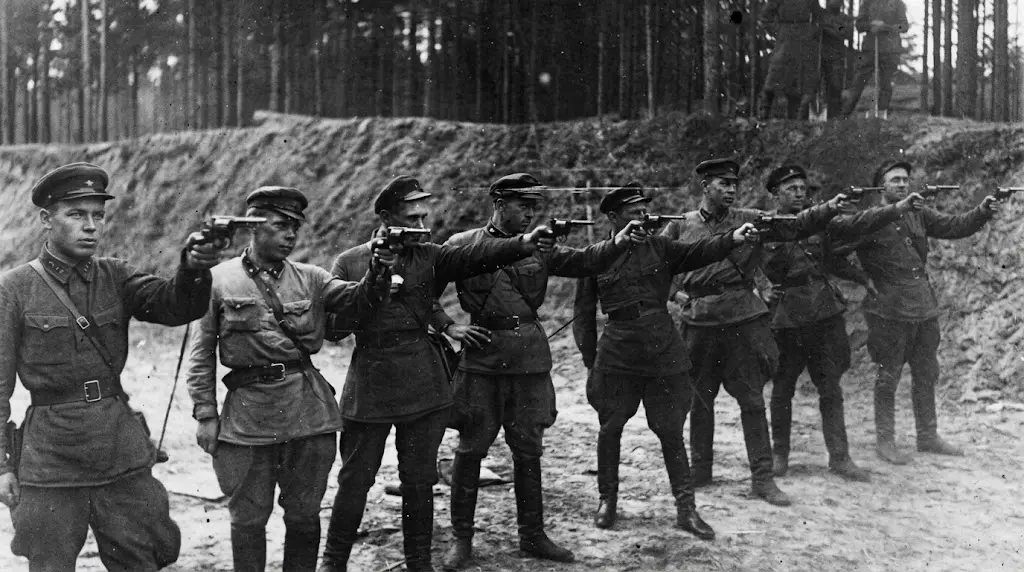
This is the part of the story that breaks my heart the most. The guards, who were stationed on the riverbanks across from the island, did nothing to help. In fact, they treated the prisoners like animals. If anyone tried to build a makeshift raft out of driftwood to escape the freezing island, the guards would use them for target practice, shooting them out of the water.
With nowhere to go, no shelter from the frost, and nothing to eat, society completely collapsed in a matter of days. People were dying by the hundreds. And then, pushed to the absolute limits of starvation and madness, the survivors resorted to the unthinkable. Cannibalism became rampant. Human beings were stripped of every ounce of their humanity, reduced to desperate monsters just trying to survive another day in the sleet.
By the time the government finally stepped in and evacuated the island just a few weeks later, over 4,000 people were dead. The locals simply referred to the place as "Cannibal Island."
Turning History into Sound
When you read something like that, it sits heavy in your chest. The image of those people, trapped on a sandbank, freezing under an uncaring grey sky, while guards watched from afar—it demanded a very specific kind of song.
When I sat down to create "Nazino", I knew a standard rock song wouldn't work. I needed to capture the cold, indifferent brutality of the machine that put them there. I leaned heavily into Industrial Groove Metal. The relentless, aggressive double bass drumming mirrors the endless, freezing flow of the Ob River. The distorted, heavy riffs represent the crushing weight of the system.
But I also needed to capture the lost humanity. That's why I layered in an outlaw country influence and used crooning female vocals. It creates this eerie, melodic wail over the harsh, metallic backdrop. It sounds like a ghost crying out over the rusted gears of a machine.
"Left on the island, left for the dead
Snow on the ground and a sky made of lead
A nightmare of flesh that the cold river keeps
Where nobody hears as the innocent weeps"
I chose to ditch the traditional verse/chorus structure. I wanted the song to feel like a continuous, unyielding descent—just like the tragedy itself. (As a quick note of transparency: I utilized AI audio generation tools alongside our original lyrics and stylistic direction to achieve the massive, chaotic sound this track needed.)
I didn't write this to be "edgy." I wrote it because those 4,000 people shouldn't be forgotten. It's a reminder of what happens when a system decides human lives are disposable.
— Anton Ignatov

Forbidden Music
Listen on your platform


